Hull fairing and lines
We capture the true hull form so lines can be reconstructed and faired, whether you are restoring a wooden hull or documenting a production boat with no usable drawings.
Marine Scanning
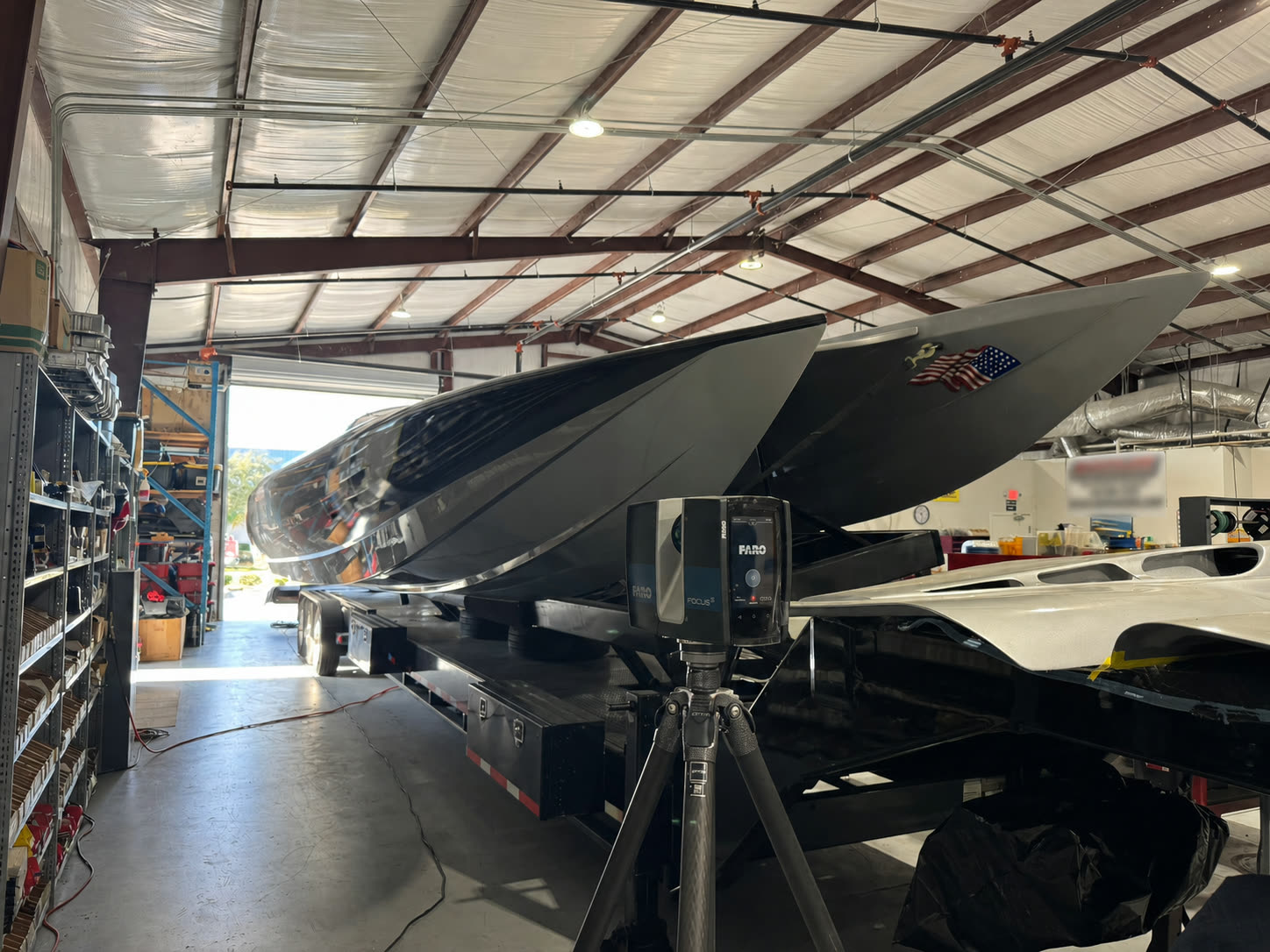
A tape measure and a batten never capture a hull honestly. We scan the vessel as she actually sits, afloat or in drydock, and turn every contour, frame, and machinery space into a registered point cloud and CAD. Your refit, your fairing, and your custom fabrication get designed against the real boat, checked for fit before anything is cut, so parts land right the first time and dock time stays short.
A refit lives or dies on the real shape of the hull, the deck, and the machinery spaces, and on most vessels the original lines and the current reality parted ways years ago. Repairs, refits, and additions reshaped the boat, and none of it is on paper. Fabricate to old drawings and the new part fights the hull.
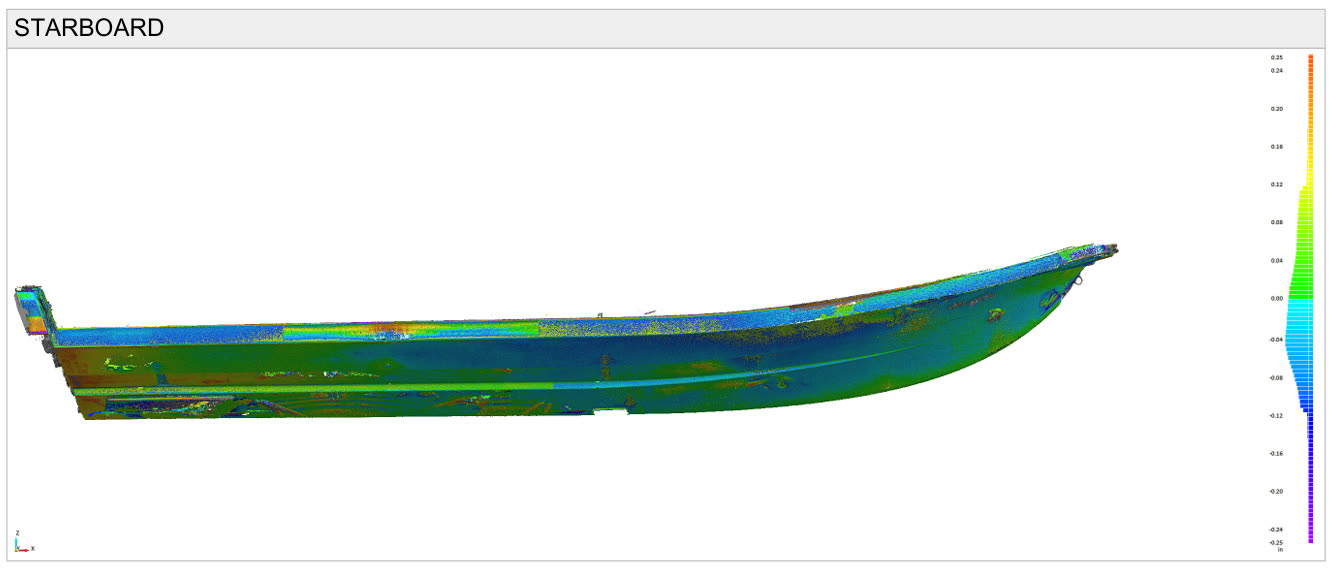
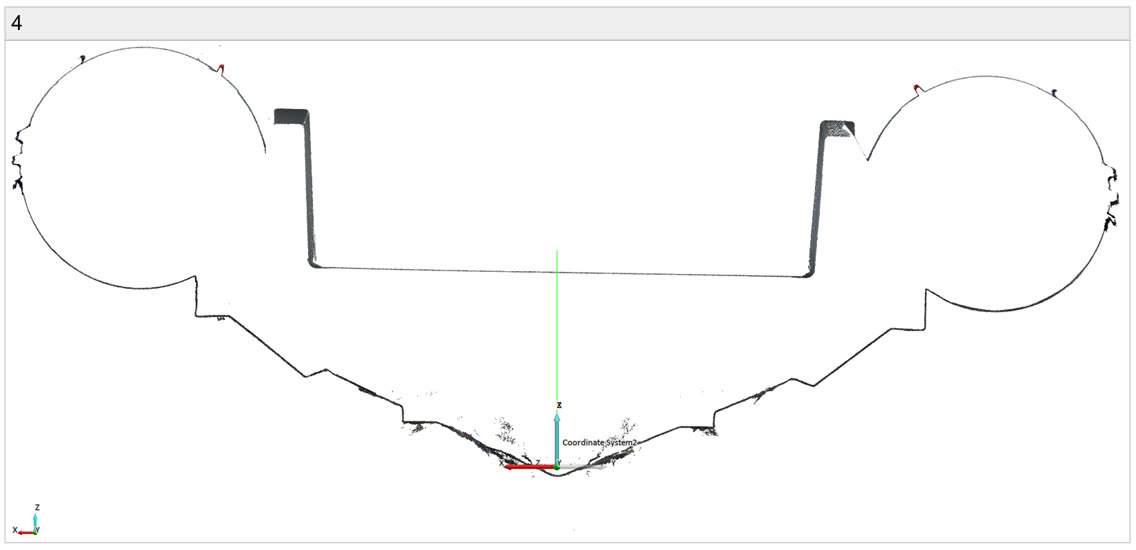
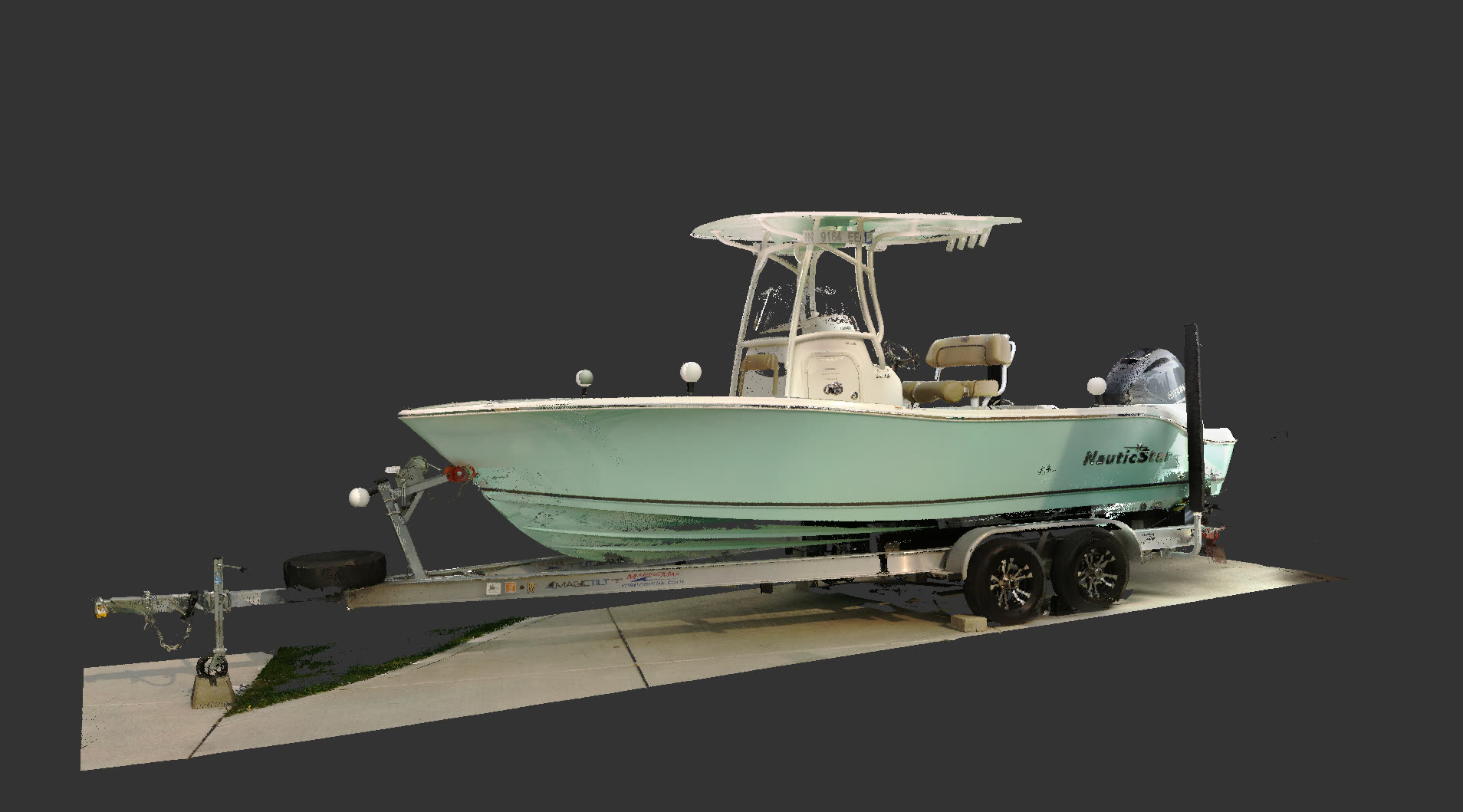
A laser scan captures the vessel exactly as she sits, afloat or in drydock, as one registered point cloud. Every hull contour, every frame, every piece of deck equipment and every run in the machinery space is measured. That cloud is the honest starting point, so new work is designed against the boat that exists, not the one that was drawn.
We capture the true hull form so lines can be reconstructed and faired, whether you are restoring a wooden hull or documenting a production boat with no usable drawings.
New tanks, hardtops, interiors, and machinery foundations modeled to the real space, checked for interference before a single part is cut, so the piece fits when it arrives.
A maintained digital record of the vessel, point cloud plus CAD, that a yard anywhere can plan a refit from while the boat stays on charter or in service.
Scanning can happen with the vessel in the water or hauled out, and the right choice follows the job. Underwater hull work needs a haul-out; interiors, decks, machinery spaces, and topside geometry can be captured afloat. A full dimensional survey done early lets a yard plan and pre-fabricate while the boat is still earning, which is where a marine scan pays for itself, in the dock time it removes.
Line of sight is the honest limit, same as any scan. A scanner captures what it can see, so anything sealed behind a tank top or a bulkhead is recorded where it enters and exits, not through the solid. Where access allows, we scan open before things close up.
Real marine work
What sets the number on a marine job:
Capture is the scan. Marine work varies widely with vessel size, access, and whether the boat is afloat or hauled, so we confirm the number once we know the vessel and the scope. Tell us the boat, the length, and what you need documented and we quote it.
Send us the boat, the length, and whether she is afloat or hauled, along with what you need scanned, the hull, the deck, a machinery space, or the whole vessel. We capture it, register it, and hand you a cloud and a model your yard can build against.
Get a quoteQuestions about a project? Reach us at info@scanningandmodeling.com or (772) 210-4584.